Sports Knee Injuries and Surgery in Sydney
Patient information • Last reviewed September 2026
Sports knee injuries can affect people at every level of activity, from recreational exercise to competitive sport. Some injuries occur during a single twisting, landing or contact event, while others develop gradually through repeated loading. Accurate diagnosis is important because treatment depends on the structure injured, the severity of the damage, knee stability and the activities you want to return to.
Many sports knee injuries can be managed without surgery. When an operation is considered, it should address a clearly defined injury and form one part of a treatment plan that also includes rehabilitation.
Common sports knee injuries
Common injuries include tears of the anterior cruciate ligament (ACL), posterior cruciate ligament (PCL), medial and lateral collateral ligaments, meniscus and articular cartilage. The kneecap can also dislocate or become unstable. More complex injuries may involve several ligaments or an associated fracture.
Symptoms vary but may include pain, swelling, clicking, catching, locking, giving way or difficulty returning to running, pivoting and sport. A careful history and examination help determine which structure is responsible.

ACL injuries
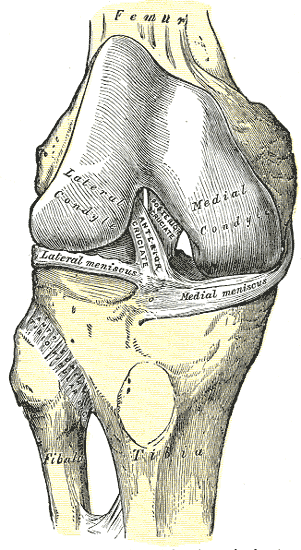
The ACL is an important stabilising ligament within the knee. It is commonly injured during a sudden change of direction, awkward landing or contact event. Some people hear or feel a pop and develop swelling within the first few hours.
Not every ACL injury requires surgery. Treatment depends on knee stability, associated meniscus or cartilage damage, age, activity goals and whether the knee gives way during everyday or sporting activities. ACL reconstruction may be considered for patients who wish to return to pivoting sport or who have ongoing symptomatic instability despite rehabilitation.
Meniscus tears
The menisci are fibrocartilage structures that help distribute load and contribute to knee stability. Tears may occur during a twisting injury or develop gradually as the tissue changes over time.
Many meniscus tears can be managed without surgery. Arthroscopy may be considered when symptoms persist despite appropriate treatment, when the knee is mechanically locked, or when the tear is suitable for repair. When surgery is required, preserving and repairing the meniscus is preferred where the tear pattern and tissue quality allow.
Assessment and imaging
Your consultation includes a discussion of the injury, symptoms and activity goals, followed by examination of knee movement, swelling, tenderness and stability. X-rays are often useful, while MRI can provide further information about the ligaments, menisci, cartilage and other soft tissues when indicated.
Imaging findings are interpreted alongside your symptoms and examination. An abnormality on an MRI does not automatically mean that surgery is required.
Non-operative treatment
Many sports knee injuries can be treated without surgery. Management may include temporary activity modification, ice and simple pain relief, a brace where appropriate, and physiotherapy to restore movement, strength, balance and neuromuscular control.
A structured rehabilitation program can be both a treatment and an important part of assessing whether the knee can meet the demands of your chosen activities.
When might surgery be considered?
Surgery may be considered when an injury causes ongoing instability, mechanical locking or persistent symptoms despite appropriate rehabilitation, or when repair of an acutely injured structure offers an advantage. Operations may include knee arthroscopy, meniscus repair, ACL or other ligament reconstruction, cartilage procedures, or stabilisation of the kneecap.
The recommended operation depends on the precise injury and your goals. The purpose of surgery is to address a defined structural problem; it is not a substitute for rehabilitation.
Rehabilitation and return to sport
Rehabilitation begins before surgery in many cases and continues afterward. The program is tailored to the injury and procedure, with progressive goals for swelling, movement, strength, control, running and sport-specific activity.
Return to sport should be based on recovery of function and completion of appropriate testing rather than time alone. For reconstructive procedures such as ACL surgery, rehabilitation usually extends over many months.
Making a decision
The purpose of a consultation is not simply to decide whether you need an operation. It is to establish the diagnosis, understand the demands you wish to place on your knee, discuss reasonable treatment options and help you choose the approach that best fits your circumstances and goals.
Consultations
I consult at Westmead Private Hospital, Lakeview Private Hospital and Rouse Hill Orthopaedics. To arrange an appointment, please contact the practice on 02 9051 2424 or email admin@mattjonesortho.com.au.
Further information
For general patient information, the American Academy of Orthopaedic Surgeons provides detailed overviews through OrthoInfo: ACL Injuries and Meniscus Tears.
Important: This page provides general information and is not a substitute for individual medical advice. Treatment recommendations depend on examination, imaging, medical history and personal circumstances.